Rightsclaim
Consumer-rights letters and escalation paths.
The write-up: Consumer RightsOpen toolWhat AI makes possible, who it could help, and what's still in the way.
Start with Working Theory, then move sideways through the investigations, tools, and essays.
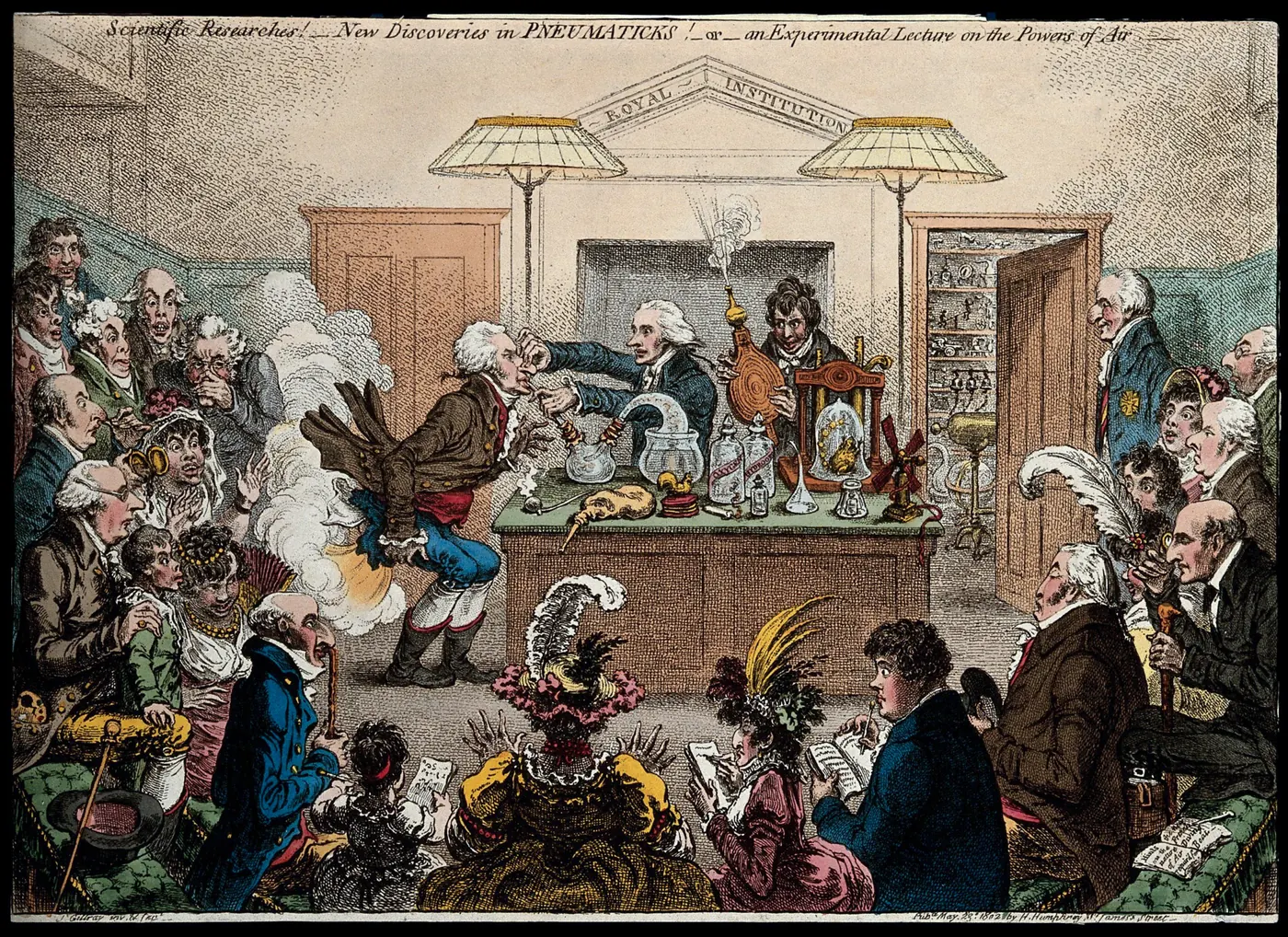
Pain eliminated in 1799. Recognised for surgery in 1844.
Forty-five years in plain sight.
New · September 2026
Eight forces will shape where AI goes. Pair them two at a time and you get 28 maps, each with four corners, each corner a different way things could play out. The essays and stories follow the corners that kept coming back.
The Premise
Two costs collapsed in three years: building, and research. What did not collapse is the judgment about what to point them at: which problems are worth solving, who should solve them, and which will not yield to another model release. This is where I work that question in public, in essays, tools, conversations, and maps.
Consumer-rights letters and escalation paths.
The write-up: Consumer RightsOpen toolRare disease symptom matching from the diagnosis work.
The write-up: Rare Disease DiagnosisOpen toolPharmacogenomics report interpretation.
The write-up: PharmacogenomicsOpen toolHome energy retrofit guidance and grants.
The write-up: RetrofitOpen tool